Physical Address
304 North Cardinal St.
Dorchester Center, MA 02124
Physical Address
304 North Cardinal St.
Dorchester Center, MA 02124
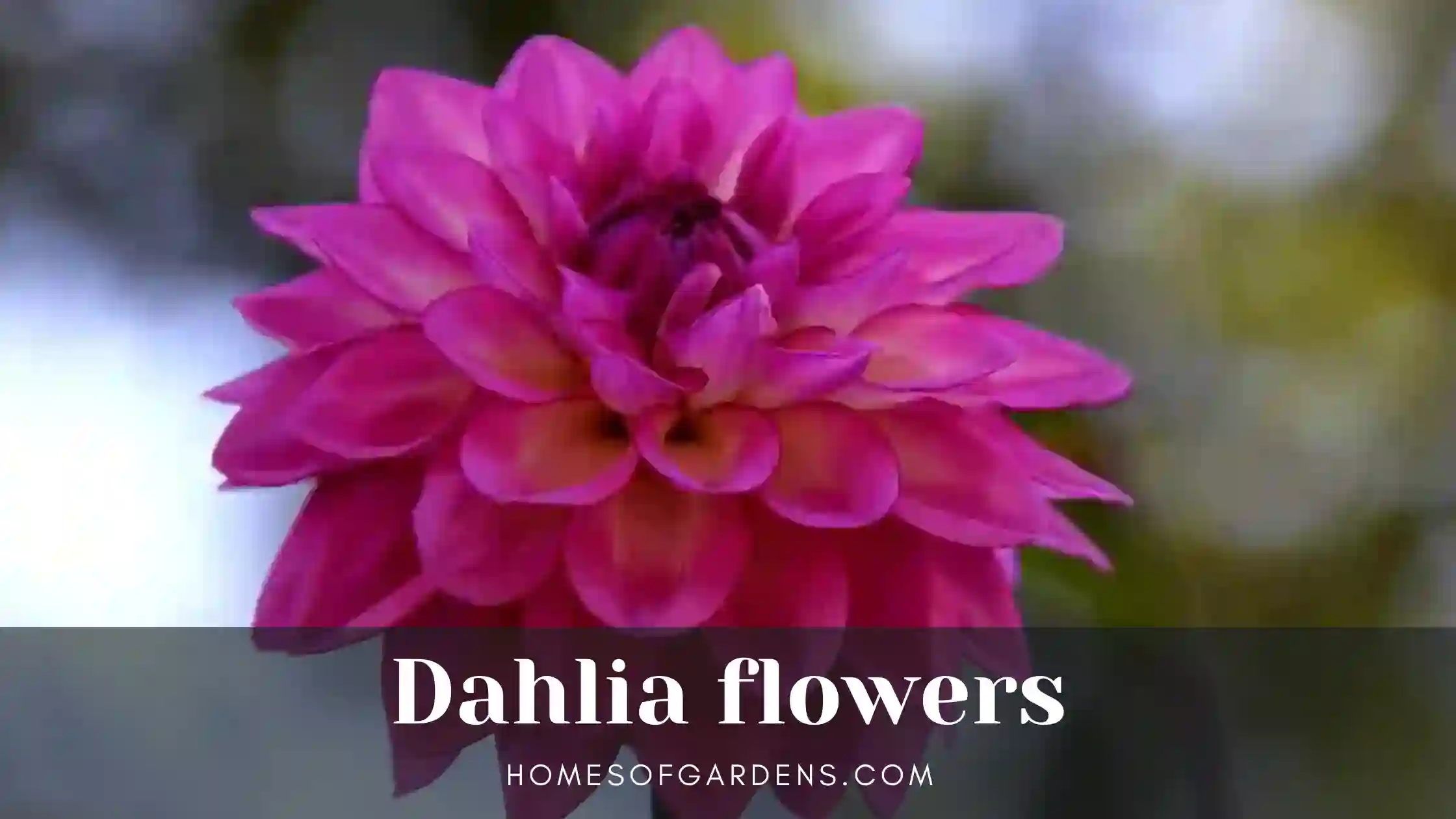
I remember the first time I tried to grow dahlia flowers. I had seen these incredible, geometric blooms in magazines and at local flower shows, and I was completely captivated so i bought a few tubers, dug some holes with more enthusiasm than knowledge, and hoped for the best. That first season was a mix of triumph and failure, but it taught me a valuable lesson: the true magic of dahlias isn’t just in growing them, but in designing with them. They aren’t just plants; they are living sculptures that can transform any garden space from ordinary to extraordinary.
Whether you have a sprawling backyard or a simple patio, understanding how to incorporate these stunning flowers into your garden design can elevate your outdoor space. This guide is built for everyone, from the beginner who just bought their first tuber to the seasoned gardener looking for new inspiration. We will explore the vast world of dahlias, from planting and care to creating breathtaking visual displays that will be the envy of your neighborhood. You will learn how to choose the right varieties, pair them with companion plants, and even create stunning cut flower arrangements.
Dahlias have a rich history and an incredible diversity that makes them a favorite among gardeners worldwide. With thousands of registered cultivars, they offer a spectacular range of colors, sizes, and forms. From petite pompons to dinner-plate-sized giants, there’s a dahlia for every taste and garden style.
Before you can design with dahlias, it helps to know the players. The American Dahlia Society classifies them into several forms based on their petal shape and arrangement. Familiarizing yourself with these can help you create more intentional and dynamic designs.
Beyond their physical beauty, dahlias carry significant meaning. Understanding the dahlia flower meaning can add another layer of depth to your garden design. Generally, dahlias symbolize elegance, dignity, and a commitment that stands strong. The color of the bloom can also change its meaning:
A successful dahlia garden starts long before the first tuber is planted. Thoughtful planning is the key to a cohesive and beautiful design that thrives all season long.
Dahlias are sun-lovers. They require at least six to eight hours of direct sunlight each day to produce abundant blooms. Choose a spot that gets plenty of morning sun, as this helps dry the dew off the leaves and prevent fungal diseases.
Proper soil is equally critical. Dahlias thrive in well-drained, slightly acidic soil (a pH of 6.5 to 7.0 is ideal). If you have heavy clay, amend it with compost, sand, or peat moss to improve drainage. Poor drainage is the fastest way to lose your tubers to rot. Before planting, work a generous amount of compost into your garden bed to enrich the soil with nutrients.
This is where the artistry begins. Think of your garden bed as a canvas and your dahlia flowers as your paint.
While classic pinks and reds are always lovely, some of the more unique dahlia varieties can become true showstoppers in your garden design.
The quest for a truly black dahlia flower has captivated gardeners for generations. While no dahlia is pure black, several deep burgundy and dark red varieties come incredibly close. Cultivars like ‘Black Satin’, ‘Karma Choc’, or ‘Arabian Night’ offer a dramatic, velvety appearance that looks almost black in certain light. Pairing a black dahlia flower with silvery foliage or bright white blooms creates a stunning, high-contrast display that exudes sophistication.
What about a blue dahlia flower? Much like its black counterpart, a true blue dahlia does not exist in nature. Dahlias lack the specific gene needed to produce blue pigment. Breeders have worked for decades to create one, but the closest they’ve come are lavender and purple shades that can appear bluish in certain lighting conditions. Varieties like ‘Blue Bell’ or ‘Blue Wish’ are beautiful, but they remain firmly in the purple spectrum. Incorporating these into your garden alongside true-blue flowers like delphiniums or salvia can create the illusion of a blue palette.
Great design is supported by healthy plants. Proper care ensures your dahlias reach their full potential.
Wait until all danger of frost has passed and the soil has warmed to about 60°F (15°C). Dig a hole about 4-6 inches deep. Lay the tuber horizontally with the “eye” (the small growth nub) pointing up. If you can’t find the eye, don’t worry—it will find its way. Cover with soil and do not water until you see the first sprouts emerge. This prevents the tuber from rotting. Space tubers 12-18 inches apart, depending on the variety’s mature size.
Most dahlias, especially the larger varieties, will need support to keep their heavy blooms from breaking the stems. Place a sturdy stake in the ground at planting time to avoid damaging the tuber later. As the plant grows, loosely tie the main stalk to the stake every foot or so.
One of the greatest joys of growing dahlias is bringing them indoors. A well-designed garden can double as a cutting garden, providing you with fresh blooms all season.
Creating a beautiful dahlia flowers bouquet is an art in itself.
What is the best month to plant dahlia tubers?
Plant after the last frost when the soil has warmed, typically in late spring.
Do dahlias come back every year?
In zones 8-10, they can be left in the ground as perennials; in colder zones, tubers must be dug up and stored for winter.
Why are the leaves on my dahlia turning yellow?
This is often a sign of overwatering or poor drainage.
How many flowers do you get from one dahlia tuber?
A single tuber can produce dozens of blooms throughout the season if cared for properly.
Are dahlia flowers toxic to pets?
Yes, dahlias are mildly toxic to cats and dogs, causing gastrointestinal upset if ingested.
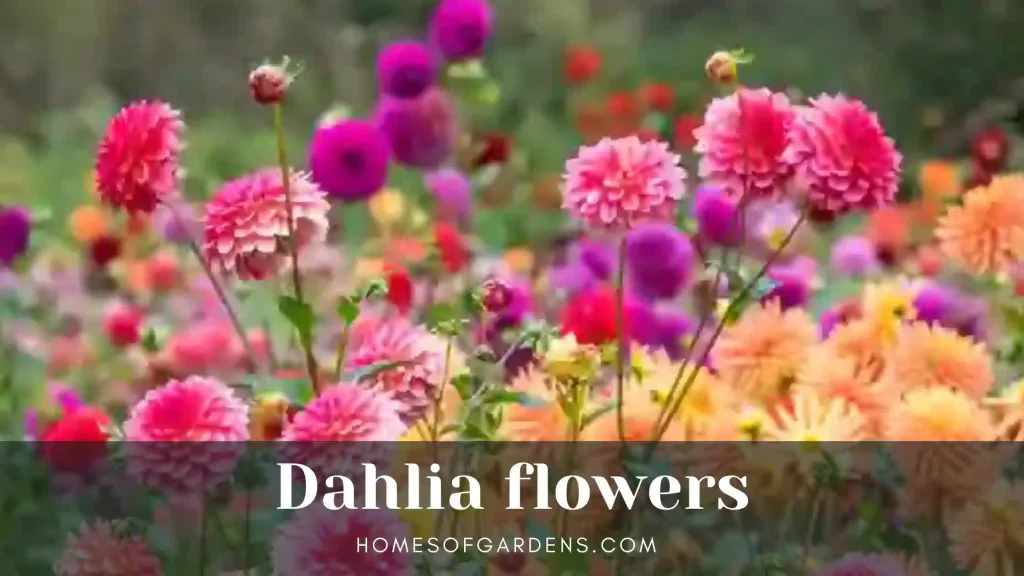
Dahlia flowers offer an entire world of creative possibilities for your garden. From the dramatic allure of a near-black dahlia to the simple charm of a single-petal variety, their diversity is unmatched. By thoughtfully planning your design around color, height, and form, and by providing them with the care they need to thrive, you can create a garden that is not just a collection of plants, but a true work of art.
This season, I encourage you to look at your garden with a designer’s eye. Don’t just plant your dahlias; place them with intention. Create a space that reflects your personal style and brings you joy every time you step outside. Your dahlia-filled garden is waiting to be designed.