Physical Address
304 North Cardinal St.
Dorchester Center, MA 02124
Physical Address
304 North Cardinal St.
Dorchester Center, MA 02124
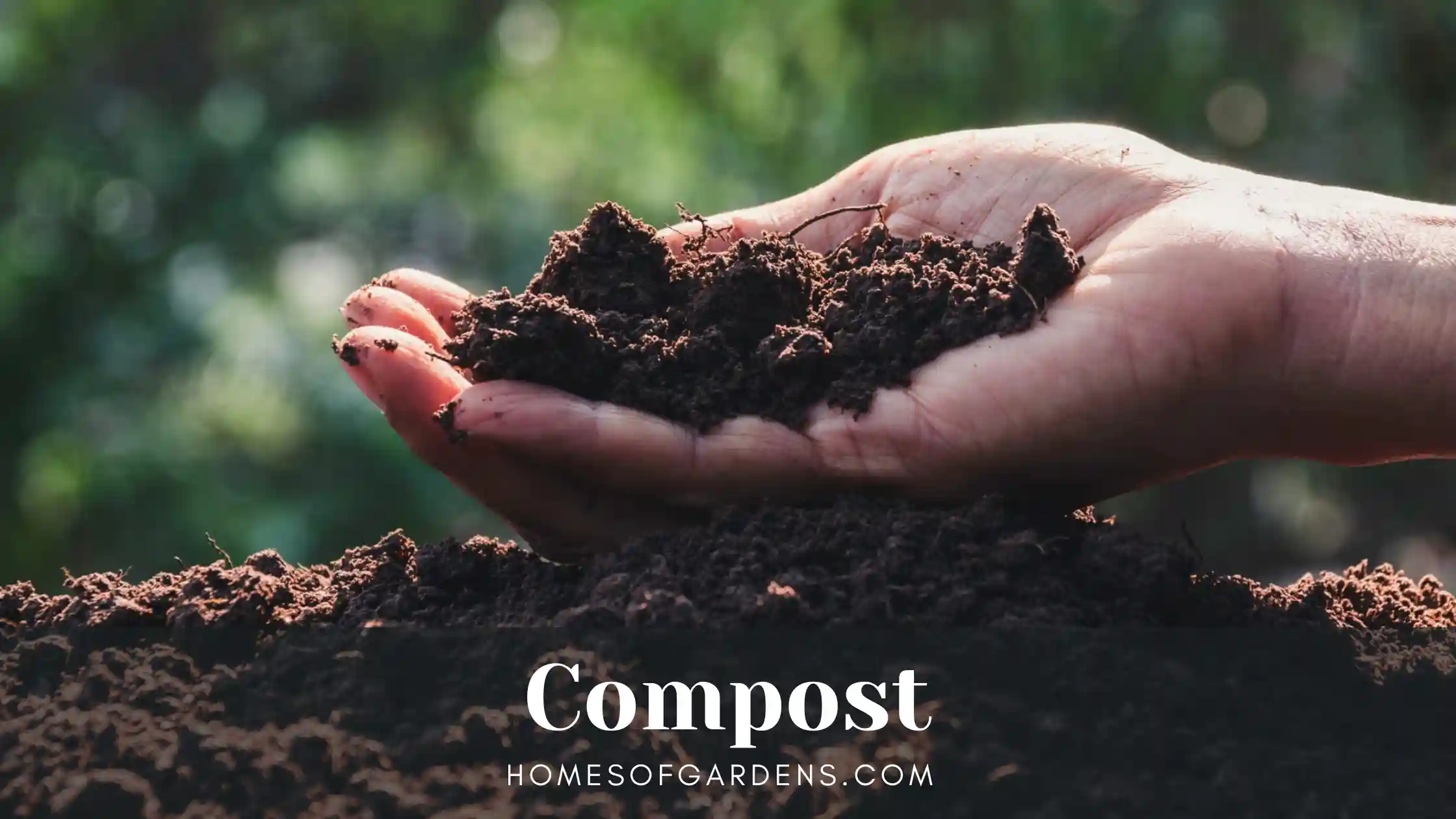
Making food scraps, yard debris and other kitchen waste into rich soil conditioners that are dark and rich may appear magical, but in reality it’s a natural process known as composting. It doesn’t matter if you’re an experienced gardener seeking to boost your soil’s health, or an aspiring beginner looking to cut down on the amount of waste in your home, understanding compost can be a game changer. This guide will help you understand the essentials you should know about composting and making use of the “black gold” to transform your garden and help create the health of our planet.
Composting, at its heart, is nature’s recycling system. It is the controlled, aerobic breakdown of organic material by microorganisms. When you make an organic compost heap, you’re just making it easier for the natural process of decomposition that takes place on the forest floor in which twigs, leaves along with other natural debris degrade into nutritious layers of humus.
The process requires a symbiotic blend of four important ingredients:
Greens (Nitrogen-rich): They are fresh, wet materials such as grass clippings, fruits vegetables and scraps of vegetables, coffee grounds and eggshells. They contain nitrogen, which is essential for the creation of proteins as well as reproducing microorganisms.
Browns (Carbon-rich): These are dry, woody substances such as dried leaves, cardboard, twigs, paper and sawdust. Carbon is the source of energy for decomposers.
Water: The water in the environment is vital for microorganisms’ growth however, not enough that the pile gets anaerobic and waterlogged (lacking oxygen). The optimal consistency is the consistency of a moist sponge.
Oxygen: Aeration is essential. Rotating your compost pile frequently provides oxygen, which aids in the beneficial aerobic bacteria to work efficiently, and also stops the smelly and slow process of decomposition through anaerobic processes.
If these elements are in balance the microorganisms start to work, producing heat that accelerates the process of decomposition and kills diseases and seeds of weeds. The end product is a dark, crumbly earthy smelling substance that is referred to as finished compost.
The incorporation of compost in your soil is one the most efficient methods to improve the health of your soil and increase the vitality of your plants. The interaction between plants and compost can be synergistic, resulting in an enduring and productive ecosystem.
Compost is a great soil conditioner. For clay soils that are heavy it aids in drainage and the aeration process by binding soil particles together into larger aggregates and creating pathways for water and air. In sandy soils that typically drain too fast, compost functions like sponges, improving the retention of water and storing vital nutrients close to plant roots, where they are required most. This enhanced structure promotes stronger root growth, resulting in stronger and healthier plants.
Although it isn’t an organic fertilizer in the traditional sense organic compost is loaded with a variety of micro- and macronutrients. In contrast to synthetic fertilizers which provide rapid, sometimes excessive explosions of only a handful of nutrients, compost releases nutrients slowly and consistently. Its “slow-release” mechanism feeds plants with time, preventing nutrient runoff, and ensuring a constant supply of nutrients to ensure long-term development.
A garden that is healthy and composted is alive with life. Compost introduces a wide variety of beneficial bacteria, protozoa, fungi, and earthworms to the soil. This diverse soil food web aids in the fight against plants’ diseases, ward off insects, and also reduce organic matter, making fertilizers more readily accessible to plants.
Compost is a buffering agent on soil pH. It helps to neutralize acidic and alkaline conditions. The majority of species thrive in a moderate pH (6.0 through 7.0) and compost is a great way to create this ideal climate without the necessity of chemical amendments.
Getting started with composting can be as simple or as complex as you want it to be. Here are methods suitable for everyone from apartment dwellers to homesteaders.
Once you have that beautiful, finished compost, it’s time to put it to work. A garden with compost is a thriving ecosystem.
The term “organic compost” specifically refers to compost made of materials which are organically certified which means they were produced free of synthetic herbicides, pesticides or fertilizers. For composters at home, this is the practice of using organic food products and yard waste that is chemical-free lawn.
Although all compost is beneficial, composting with organic materials guarantees that the finished product is free of chemicals that could be harmful. If you’re trying to achieve organic gardening, creating your natural compost may be the most effective method to control the amount of waste that goes into the soil.
Commercially-available compost can differ significantly in the quality. Certain municipal composts could include biosolids, or other organic materials. Be sure to read the label in order to be aware of the materials used in the process when purchasing bags of compost.
The Asparagus plant is an annual veg that produces spears for up to 15 years so soil preparation is crucial. Asparagus is a huge feeder and thrives in fertile and well-drained soil. This is the reason why asparagus compost can be a major element in the success of your garden.
Prior to planting asparagus crowns make a trench 12 inches deep. Fill six inches of the lower part of it with a thick layer of compost. This provides a nutritious and rich base that the roots can draw upon for many years.
Every year, dress your asparagus bed with a second layer of 1-2 inches of compost. This method, also called feeding the crowns, helps replenish the nutrients needed in the growing season. It also will ensure a healthy, successful harvest every year. The compost also assists in reducing the weeds that can take away the young spears of asparagus.
Q: Can I put asparagus scraps in my compost?
A: Yes, the tough ends of asparagus are excellent “green” material for your compost pile and will add valuable nutrients.
Q: How long does compost take to be ready?
A: Timing varies from 4 weeks for a hot pile to over a year for a simple one; it’s ready when it’s dark, crumbly, and smells earthy.
Q: What should I NOT put in my compost pile?
A: Avoid meat, dairy, oily foods, and pet waste, as they can attract pests and contain harmful pathogens.
Q: My compost pile smells bad. What did I do wrong?
A: A bad smell usually means the pile is either too wet or has too many “greens”; fix it by turning the pile and adding dry “browns” like leaves or cardboard.
Composting is a straightforward but significant action that helps us connect to the natural cycles. It turns waste into a useful resource, decreases our carbon footprint and allows us to construct healthier, more resilient gardens. By understanding the basics of what is composting- balancing greens, browns, water, and air–anyone can create nutrient-rich organic compost.
If you’re enhancing the soil for perennials like asparagus, or just improving the overall health and condition of your home plants, the benefits are indisputable. So, gather up your leftovers, make a pile, and be prepared to witness the impact from composting in your personal backyard. Your plants, as well as the earth, will be grateful to you.