Physical Address
304 North Cardinal St.
Dorchester Center, MA 02124
Physical Address
304 North Cardinal St.
Dorchester Center, MA 02124
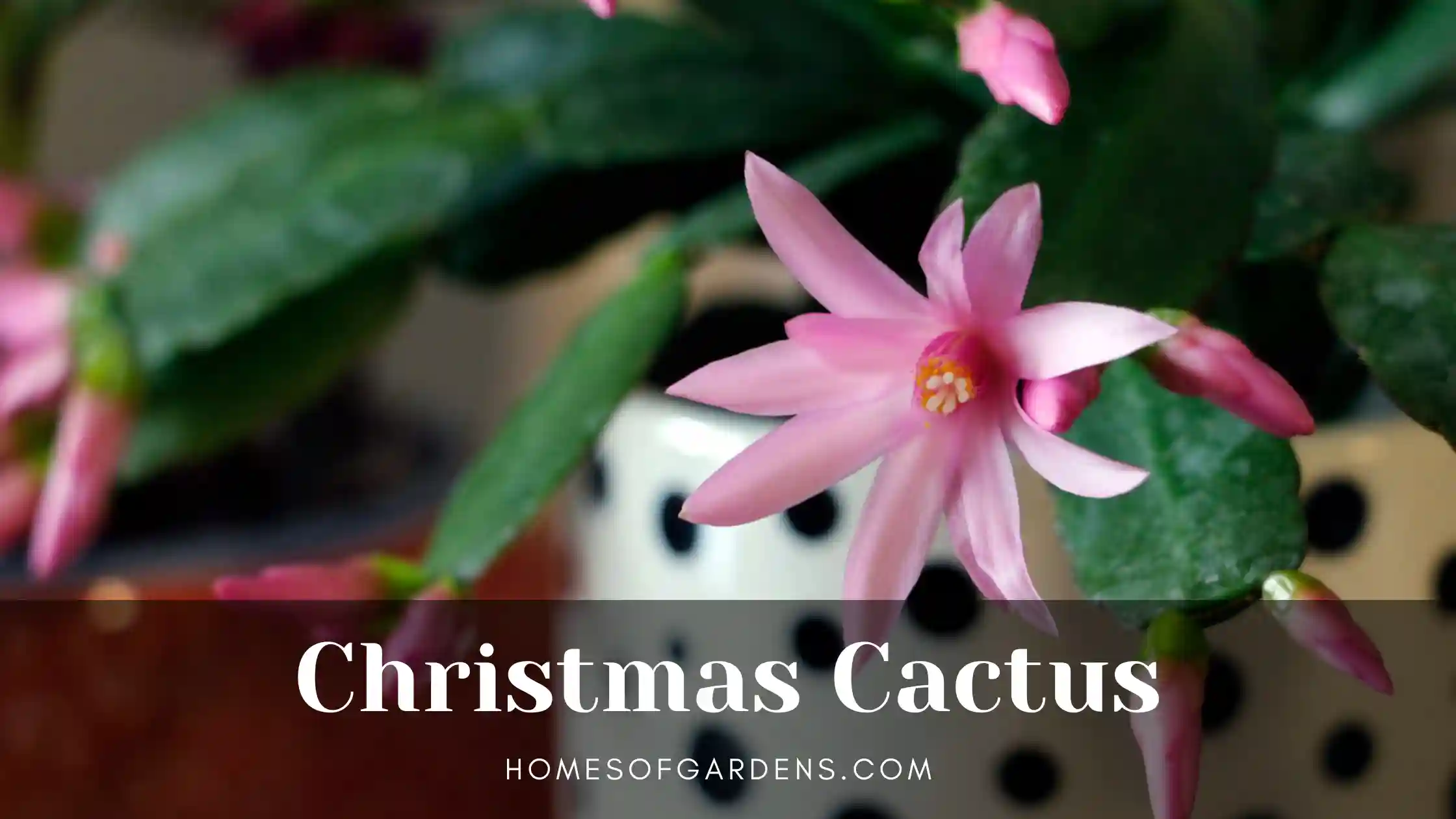
I still remember the first Christmas cactus I ever owned. It was a gift from my grandmother, a sprawling plant with deep green, flattened stems cascading over the sides of a ceramic pot. She told me, “Take care of it, and it will give you flowers every Christmas.” That simple promise hooked me. Year after year, that plant would burst into a spectacular display of fuchsia-colored blooms right on cue, a living, breathing holiday decoration that felt far more special than any tinsel or ornament.
The Christmas cactus, or Schlumbergera, is more than just a festive plant. It’s a tradition, a pass-along plant that can live for decades, connecting generations. But despite its popularity, many people struggle to get it to rebloom or even keep it healthy year-round. It’s not your typical desert cactus; its needs are a bit different, and understanding them is the key to success.
This guide is designed to be your go-to resource for everything related to this cherished houseplant. We will cover everything from basic care and watering to the secrets of triggering that glorious holiday bloom. You’ll learn how to propagate new plants from a single leaf, tackle common problems, and ensure your Christmas cactus thrives for years to come. Whether you’re a new plant parent or a seasoned gardener, you’ll find valuable insights to help your cactus flourish.
Before diving into care specifics, it’s helpful to understand where this plant comes from. Unlike its spiny, desert-dwelling cousins, the Christmas cactus is a tropical cactus native to the coastal mountains of southeastern Brazil. In its natural habitat, it grows as an epiphyte on tree branches in shady, humid rainforests.
This origin story is the most important clue to successful Christmas cactus care. It tells us that this plant prefers filtered light, higher humidity, and a consistent watering schedule a world away from the hot, dry conditions we typically associate with cacti.
There are actually three main types of holiday cacti, often confused with one another:
While their care is very similar, identifying which one you have can help you understand its natural blooming cycle. For simplicity, we will refer to them collectively as the Christmas cactus, as this is the most common name used.
Providing the right environment is the foundation for a healthy plant that rewards you with a stunning floral display. Let’s break down the essential care requirements.
Your Christmas cactus thrives in bright, indirect light. A spot near an east-facing window where it can receive gentle morning sun is ideal. Direct, intense afternoon sun can scorch the delicate leaf segments, causing them to turn yellow or red and wilt.
If your only option is a south or west-facing window, place the plant a few feet away or use a sheer curtain to diffuse the light. In its native environment, it’s protected by the canopy of larger trees, so replicating that filtered light is key. During the fall, as you prepare for blooming, light conditions become even more critical, which we’ll cover later.
Proper watering is where many new owners go wrong. Overwatering is the fastest way to harm a Christmas cactus, leading to root rot. On the other hand, allowing it to dry out completely can cause stress, wilting, and bud drop.
The best approach is to water thoroughly when the top inch of soil feels dry to the touch. Let the water run through the drainage holes at the bottom of the pot, then discard any excess water from the saucer. Never let the plant sit in standing water.
As a tropical plant, it appreciates higher humidity. If your home is dry, especially in winter, consider placing the plant on a pebble tray with water or using a small humidifier nearby. Grouping it with other houseplants can also help create a more humid microenvironment.
A well-draining soil mix is non-negotiable. A standard cactus or succulent mix is a good starting point, but an even better mix combines one part potting soil, one part perlite or pumice, and one part orchid bark. This creates a rich but airy medium that retains some moisture without becoming waterlogged.
Christmas cacti prefer to be slightly root-bound, so don’t rush to repot them. Repotting is only necessary every 2-3 years, or when the plant looks visibly crowded or the soil is exhausted. The best time to repot is in the spring, after the blooming season has finished. Choose a pot that is only one size larger than the current one and has adequate drainage holes.
To support healthy growth and vibrant blooms, feed your Christmas cactus during its growing season from spring through summer. Use a balanced, water-soluble fertilizer diluted to half-strength every 2-4 weeks.
Stop fertilizing in the late summer or early fall. This signals to the plant that it’s time to shift its energy from producing foliage to setting flower buds. You can resume fertilizing after the plant has finished blooming.
The most magical part of owning this plant is the Christmas cactus bloom. If your plant isn’t flowering, it’s likely missing a few key environmental triggers. To force blooms for the holidays, you need to simulate the conditions of a Brazilian autumn, which involves cooler temperatures and longer nights.
About 6-8 weeks before you want it to bloom (around late September or early October), you must provide two things:
Continue this routine for 4-6 weeks. Once you see tiny buds forming at the tips of the stems, you can move the plant back to its regular spot and resume normal care. Be careful not to make any drastic changes in its environment at this point, as it can cause the plant to drop its buds. Avoid drafts, sudden temperature shifts, and overwatering.
One of the most rewarding aspects of this plant is how easily it can be shared. Learning how to propagate a Christmas cactus is simple and a wonderful way to create new plants for yourself or as gifts.
The best time to propagate is in the spring or early summer, after the plant has finished blooming.
While generally robust, your Christmas cactus might encounter a few issues. Here’s how to troubleshoot them.
A common concern for pet owners is plant toxicity. You’ll be happy to know that the answer to “are Christmas cactus poisonous to cats and dogs?” is no. According to the ASPCA, the Schlumbergera species is non-toxic to cats, dogs, and horses.
While the plant itself isn’t poisonous, consuming a large amount of any plant material can cause mild digestive upset, like vomiting or diarrhea, in pets. It’s still a good practice to keep houseplants out of reach of curious pets to avoid any stomach discomfort or damage to the plant.
Why are the leaves on my Christmas cactus turning red?
This is usually a sign of stress, often from too much direct sunlight, too little water, or a lack of nutrients.
How long can a Christmas cactus live?
With proper care, a Christmas cactus can live for an impressive 20 to 30 years, and some have been known to live for 100 years!
Should I mist my Christmas cactus?
Yes, misting a few times a week can help increase the humidity your tropical cactus loves, especially in dry, heated homes.
Why is my Christmas cactus growing thin, spindly leaves?
This typically indicates the plant is not receiving enough light and is stretching to find more.
Can I put my Christmas cactus outside in the summer?
Yes, it will enjoy a summer vacation outdoors in a shady, protected spot, but be sure to bring it inside before the first frost.
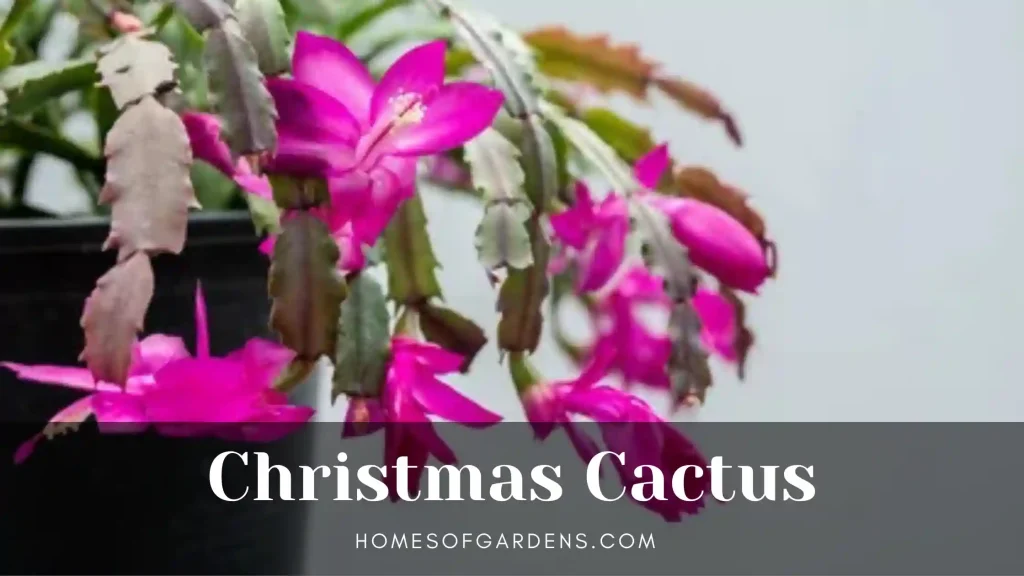
The Christmas cactus is far more than just a holiday novelty. It is a resilient, long-lived plant that connects us to nature and often, to the people who gifted it to us. Its predictable blooms serve as a beautiful, living calendar, marking the passage of time and the arrival of the festive season.
By understanding its tropical origins and providing it with the right balance of light, water, and seasonal cues, you can ensure your plant not only survives but thrives. You have learned the secrets to its year-round care, the method for triggering its spectacular blooms, and the simple joy of propagating it to share with others. Now, you are fully equipped to cultivate a healthy, vibrant Christmas cactus that will bring you joy for many holidays to come.