Physical Address
304 North Cardinal St.
Dorchester Center, MA 02124
Physical Address
304 North Cardinal St.
Dorchester Center, MA 02124
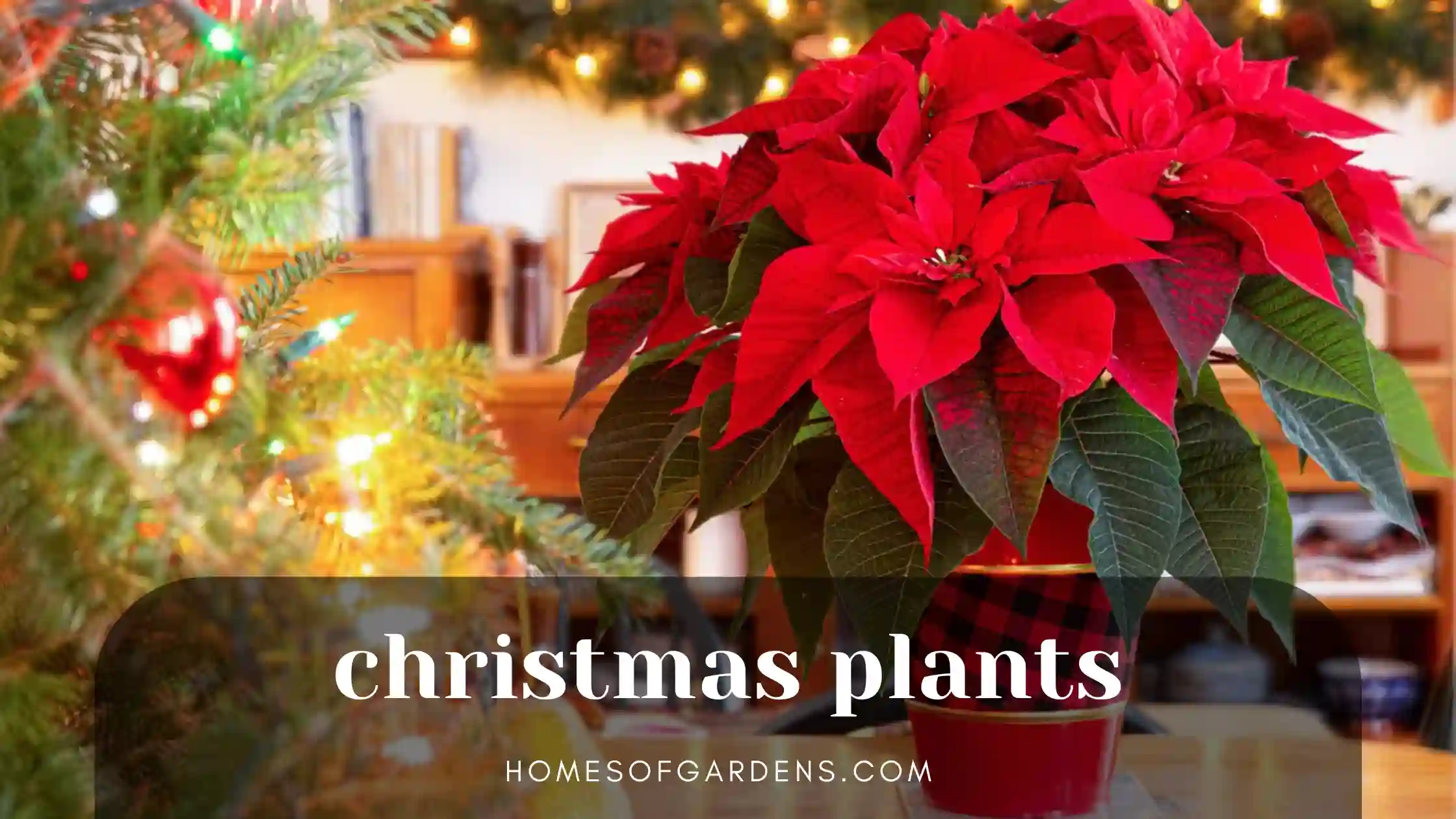
The air gets crisp, lights start twinkling on every corner, and the scent of pine and cinnamon fills our homes. For me, the holiday season truly begins when the Christmas plants arrive. I still remember my grandmother’s house, where a huge, velvety red poinsettia always sat by the fireplace. It wasn’t just a decoration; it was a living piece of the holiday, a symbol of warmth and celebration. These plants do more than just beautify our spaces; they connect us to nature and tradition during the darkest days of winter.
Whether you’re looking to start a new tradition or you’re a seasoned plant parent seeking to expand your festive collection, you’ve come to the right place. This guide will walk you through the most iconic Christmas plants, from the classic poinsettia to the elegant Christmas rose. We’ll cover everything you need to know to select, care for, and enjoy these beautiful additions to your holiday decor. Get ready to discover the perfect plants for Christmas that will bring life and color to your celebrations for years to come.
While the poinsettia often steals the spotlight, a whole world of festive foliage is waiting to be discovered. Each plant has its own unique charm, history, and care requirements. Let’s explore some of the best plants to bring home for the holidays.
No plant screams “Christmas” quite like the poinsettia ( Euphorbia pulcherrima). Native to Mexico, its association with the holidays comes from a 16th-century legend about a young girl who could only offer weeds as a gift to Jesus on Christmas Eve. As she laid them at the altar, they miraculously blossomed into the brilliant red flowers we know today.
What we often think of as the flower is actually a set of modified leaves called bracts. The true flowers are the small, yellow buds in the center. While red is the classic choice, poinsettias now come in a stunning array of colors, including white, pink, marbled, and speckled varieties.
How to Choose a Healthy Poinsettia:
Poinsettia Care Tips:
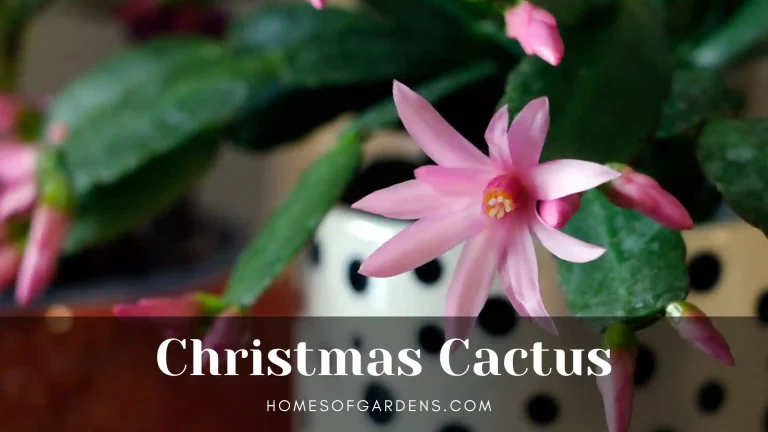
The Christmas Cactus (Schlumbergera buckleyi) is a beloved holiday plant known for its cascading, segmented stems and vibrant, tubular flowers. Unlike its desert-dwelling cousins, this cactus is a tropical plant from the coastal mountains of Brazil. It blooms in response to shorter days and cooler temperatures, making it a perfect addition to your winter decor.
The flowers typically appear in shades of pink, red, purple, and white, blooming right around the holiday season. With proper care, a Christmas Cactus can live for decades, becoming a cherished family heirloom passed down through generations.
How to Encourage Blooms:
To get your Christmas Cactus to bloom for the holidays, you need to simulate its natural environment.
Christmas Cactus Care Tips:
For a truly show-stopping display, look no further than the Amaryllis (Hippeastrum). These large bulbs produce towering stalks with massive, trumpet-shaped flowers in stunning colors like deep red, pure white, pink, and striped varieties. They are incredibly easy to grow indoors and provide a spectacular reward for very little effort.
Most amaryllis are sold as kits containing a bulb, pot, and soil. Planting the bulb in late fall will give you magnificent blooms just in time for Christmas. It’s a wonderful activity to do with family, watching the stalk grow taller each day in anticipation of the flowers.
How to Plant an Amaryllis Bulb:
Amaryllis Care Tips:
Often confused with the Lenten Rose, the true Christmas Rose (Helleborus niger) is a perennial that earns its name by blooming in the cold depths of winter, sometimes even through the snow. Its delicate, bowl-shaped white flowers, which can fade to pink, bring a touch of grace and resilience to the holiday season.
The Christmas Rose plant has a rich history in European folklore and is associated with a story of a young shepherdess who wept because she had no gift for the Christ child. An angel appeared and touched the frozen ground where her tears fell, causing the beautiful white flowers to spring up.
While it can be grown as a houseplant for the holidays, the Christmas Rose is happiest outdoors in a shady garden spot. It’s an excellent choice for gardeners looking to add winter interest to their landscape.
Christmas Rose Care Tips:
Many holiday plants are discarded after the festive season, but with a little care, they can thrive for years to come. Here are some tips for keeping your Christmas plants healthy long after the decorations are packed away.
To keep your poinsettia for the following year, you’ll need to give it a dormant period.
These plants are much easier to maintain year-round.
Q1: What is the most popular red Christmas plant?
The poinsettia is by far the most popular and iconic red Christmas plant.
Q2: Can I keep my Christmas plants alive until next year?
Yes, most Christmas plants like poinsettias, amaryllis, and Christmas cacti can be kept alive to re-bloom next year with proper care.
Q3: Are Christmas plants safe for pets?
Some, like poinsettias and Christmas roses, are toxic to pets if ingested, so it’s best to keep them out of reach.
Q4: How do I get my Christmas Cactus to flower?
Encourage blooms by providing cooler temperatures (50-55°F) and 12-14 hours of darkness per day for 6-8 weeks in the fall.
Q5: What are good low-maintenance plants for Christmas?
Amaryllis and Christmas Cactus are relatively low-maintenance options that provide beautiful holiday blooms with minimal fuss.
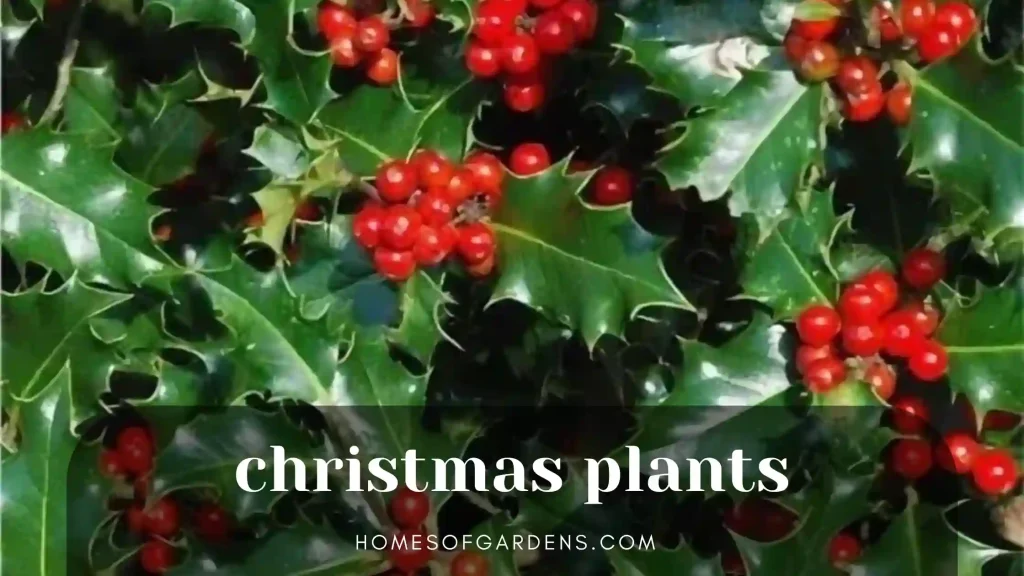
Christmas Plants offer so much more than temporary decoration. They are living symbols of the season, bringing vibrant color, life, and a connection to nature into our homes during the coldest time of the year. From the classic cheer of a red poinsettia to the dramatic elegance of an amaryllis in full bloom, there is a festive plant to suit every style and home.
By understanding their unique needs, you can not only enjoy their beauty throughout the holiday season but also nurture them to return year after year. This year, consider starting a new tradition. Choose a Christmas plant that speaks to you, care for it, and watch as it becomes a lasting part of your annual celebrations, creating memories for years to come.