Physical Address
304 North Cardinal St.
Dorchester Center, MA 02124
Physical Address
304 North Cardinal St.
Dorchester Center, MA 02124
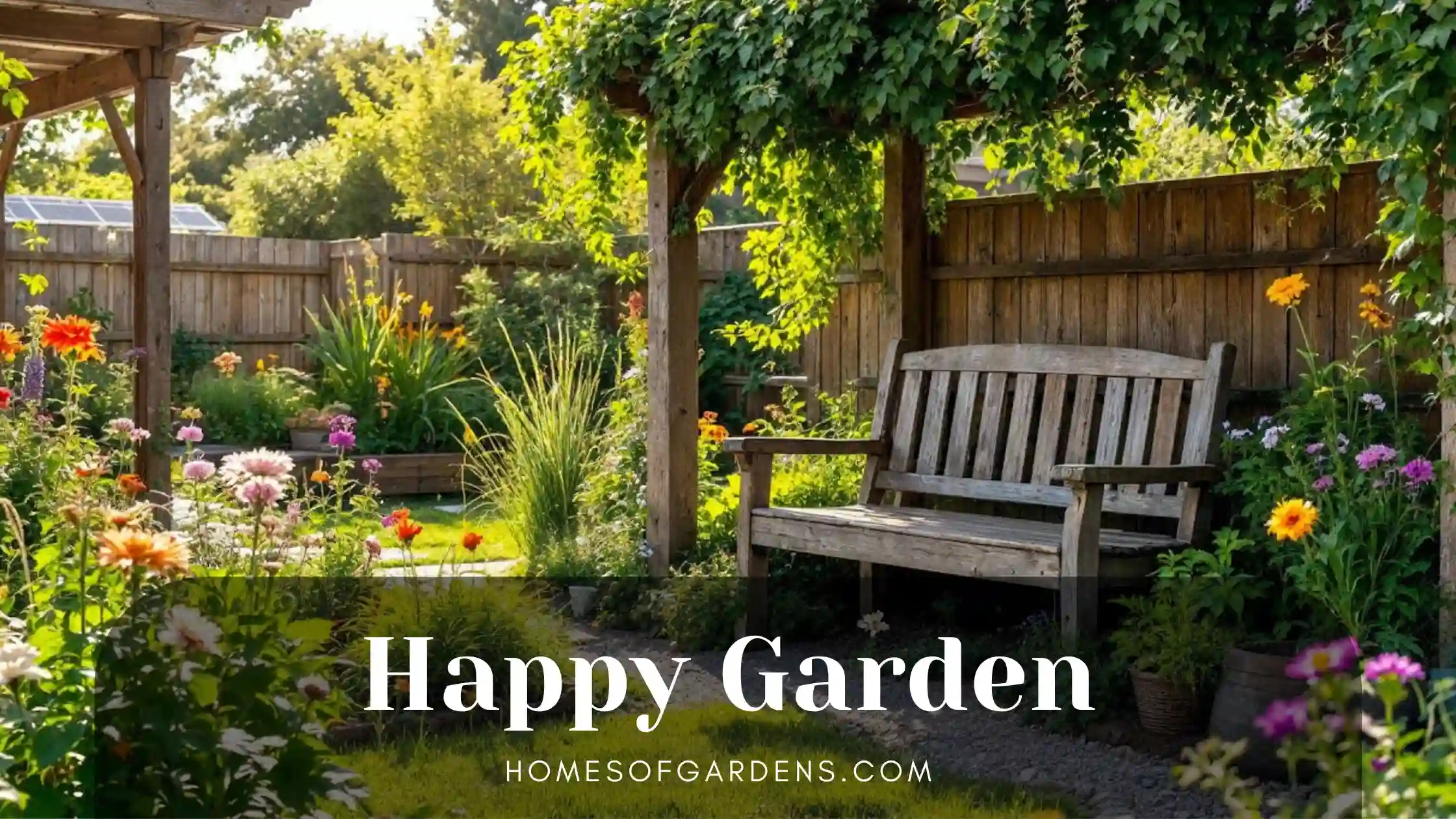
I still remember my first attempt at a garden. It was a small, neglected patch of earth behind my first apartment. I threw some random seeds into the ground, watered them occasionally, and hoped for the best. The result was a chaotic mix of a few struggling flowers and a whole lot of weeds. It wasn’t exactly a happy garden. It was a space that felt disjointed and, frankly, a little stressful. That experience taught me a valuable lesson: a truly joyful garden doesn’t happen by accident. It’s born from thoughtful design.
Creating a happy garden is about more than just planting flowers. It’s about crafting an outdoor space that brings you peace, joy, and a sense of connection to nature. It’s a personal sanctuary tailored to your lifestyle and aesthetic. Whether you have a sprawling backyard or a tiny balcony, the principles of good design can transform it into a place you love to be.
In this guide, we’ll explore the essential elements of garden design. You will learn how to plan your layout, choose the right plants, and add personal touches that turn a simple plot of land into your very own happy garden. We’ll break down the process step-by-step, making it easy for beginners and offering fresh perspectives for seasoned gardeners.
Before you dig a single hole or buy a single plant, the most critical step is planning. A well-thought-out plan acts as the blueprint for your outdoor space, ensuring every element has a purpose and contributes to a cohesive whole. This planning stage saves you time, money, and frustration down the road.
First, ask yourself: what do I want to do in my garden? The answer will shape every decision you make. A garden can serve many functions, and your design should reflect its primary use.
Every garden space is unique. Take time to understand your specific environment. Observe your yard at different times of the day to get a clear picture of its conditions.
With your purpose defined and your site assessed, it’s time to think like a designer. A few core principles can guide your choices, helping you create a space that feels balanced, unified, and visually pleasing. It’s like composing a dish; the right ingredients combined in the right way create a masterpiece. Similarly, the elements of your garden should work together harmoniously.
Unity is the feeling that everything in the garden belongs together. You can achieve this through repetition. Use a consistent color palette, repeat plant shapes, or use the same material for pathways and patio borders. For example, if you have a flagstone patio, using similar stones for a garden path creates a sense of connection. This cohesive approach is key to a happy garden design.
Balance creates a sense of stability. There are two types:
Proportion relates to the size of elements in relation to each other. A tiny fountain would be lost in a huge yard, while a massive pergola would overwhelm a small patio. Ensure the scale of your features, plants, and furniture fits the overall size of your garden.
Think of your garden’s layout as its “menu” of experiences. Good flow guides visitors through the space, creating a journey with points of interest along the way.
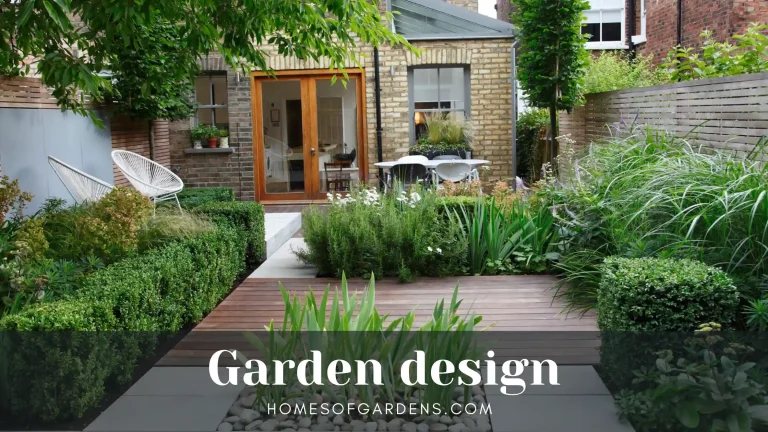
The “bones” of your garden are its permanent structures: paths, patios, walls, fences, and large trees or shrubs. These elements provide shape and form year-round, even in winter. Well-defined pathways not only make it easy to navigate but also create clean lines and guide the eye. Materials can range from simple gravel to intricate brick patterns.
A popular design technique is to divide the garden into distinct “rooms,” each with its own purpose. A dining area might flow into a quiet seating nook, which then leads to a vegetable patch. You can use low hedges, trellises, or changes in paving material to suggest these divisions without building solid walls. This approach adds an element of discovery and makes the garden feel larger and more interesting. It’s a concept that has been used effectively in many public gardens, from grand estates to community spaces like the one near Happy Garden Elk Grove.
Plants bring your garden design to life. They add color, texture, fragrance, and movement. Selecting the right plants is less about picking your favorites at the nursery and more about choosing plants that fit your design and your site’s conditions.
A well-designed garden incorporates plants of varying heights to create depth and interest. Think in terms of layers:
Color is often the first thing people notice, but texture is just as important. Combine plants with different leaf shapes and textures for a sophisticated look. The glossy leaves of a rhododendron contrast beautifully with the feathery fronds of a fern.
When it comes to color, you can choose a specific palette:
Looking at established garden styles can provide a wealth of ideas. You don’t have to replicate a style entirely, but you can borrow elements that you love. For instance, the Happy Garden Chinese restaurant might have design elements in its landscaping that you can adapt. Traditional Chinese gardens often focus on creating a miniature, idealized landscape with rocks, water, and carefully placed plants to create harmony between humanity and nature. You could incorporate a small water feature, a strategically placed boulder, or a bamboo screen to evoke a similar sense of tranquility.
The final details are what make a garden personal and unique. These elements add character and turn a well-designed space into your personal haven.
Q1: How do I start a garden design from scratch?
Start by defining your garden’s purpose and assessing your site’s sun, soil, and climate conditions.
Q2: What is the most important principle of garden design?
Unity is crucial; it ensures all elements work together to create a cohesive and harmonious space.
Q3: How can I make my small garden look bigger?
Use techniques like creating “outdoor rooms,” using vertical space with climbers, and choosing a simple, light color palette.
Q4: Do I need to know the names of all the plants?
No, focus on their characteristics—size, shape, color, and light/water needs—to see if they fit your design.
Q5: How often should I change my garden design?
The “bones” should be permanent, but you can update annual plantings and container arrangements seasonally or yearly for a fresh look.
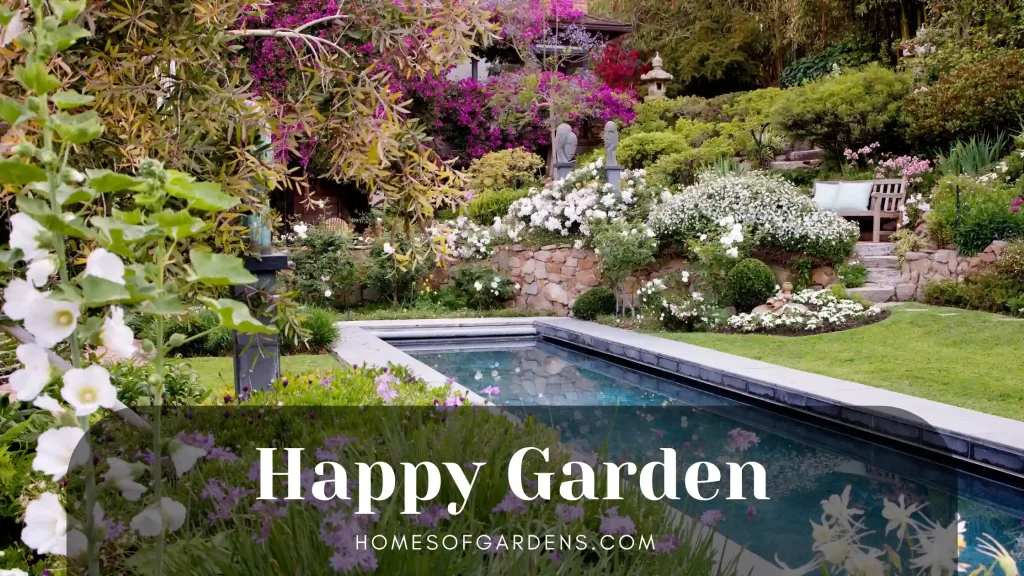
A garden is a living, breathing space that evolves over time. Your design is not a rigid set of rules but a flexible framework that will grow and change with you. The goal is to create a happy garden—a place that reflects who you are and brings you a daily dose of joy.
Don’t be afraid to experiment, move things around, and learn as you go. The process of creating and tending to your garden is just as rewarding as the final result. By blending thoughtful planning with your own personal style, you can cultivate an outdoor sanctuary that nourishes your spirit and becomes a cherished extension of your home. Your happy garden is waiting for you to bring it to life.