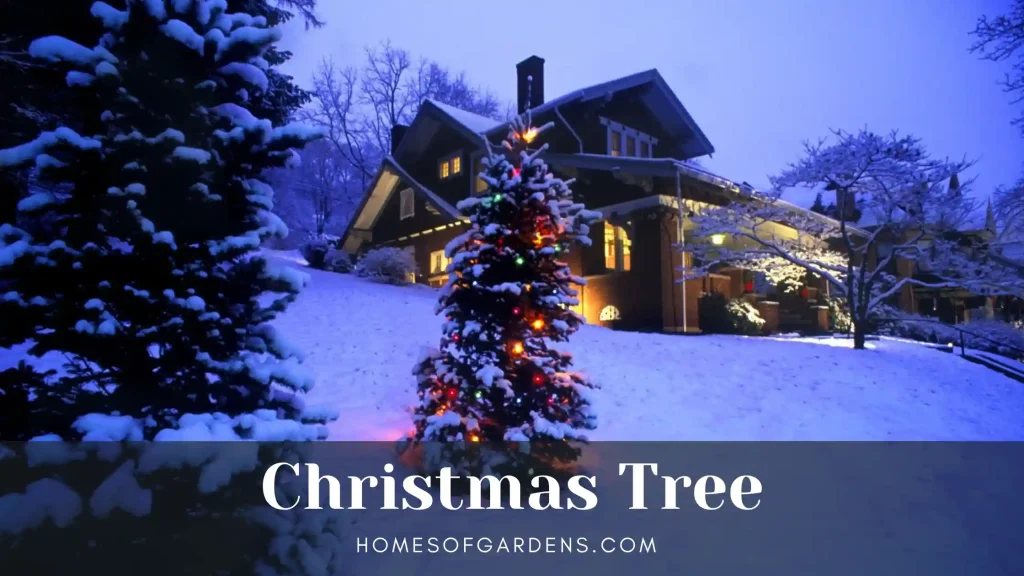
The scent of pine needles instantly transports me back to childhood. Every December, my family would make the trip to a local tree farm, wandering through rows of evergreens to find the perfect one. It was more than just a decoration; it was the centerpiece of our holiday, a living symbol of the season. As a gardener, I’ve come to see the Christmas tree not just as a temporary guest in my home, but as a vital part of the broader world of horticulture and garden design.
Choosing a Christmas tree is often our first and most intimate interaction with large conifers. It’s a hands-on lesson in tree species, needle retention, and fragrance. But the story of the Christmas tree extends far beyond the living room. In this guide, we’ll explore the connection between this beloved holiday tradition and the principles of garden design. You will learn how to select the right tree for your home, care for it properly, and even integrate evergreen trees into your year-round landscape for lasting beauty.
This article will help you see the familiar Christmas tree in a new light. We’ll bridge the gap between holiday decorating and thoughtful garden planning, giving you the confidence to make your evergreen choices count, both indoors for the season and outdoors for years to come.
The Living History of the Christmas Tree
The tradition of bringing an evergreen tree indoors during winter solstice celebrations dates back centuries. Ancient cultures saw the evergreen as a symbol of life and perseverance during the darkest days of the year. The modern Christmas tree tradition, as we know it, is most often traced back to 16th-century Germany. It was here that devout Christians began bringing decorated trees into their homes.
Today, the Christmas tree is a global symbol of the holiday. From the towering Norway spruce in London’s Trafalgar Square to the iconic Rockefeller Center tree in New York, it represents a shared sense of joy and festivity. The simple image of a tree and Christmas together evokes powerful feelings of warmth and family. Even in our digital age, the Christmas tree emoji 🎄 is a universal shorthand for holiday cheer.
Popular Christmas Tree Varieties and Their Garden Potential
When you’re picking a Christmas tree, you’re also browsing a catalog of potential additions to your garden. Many popular Christmas tree species are fantastic landscape trees, offering year-round structure, color, and texture.
Firs (Genus Abies)
Balsam Fir: Famous for its classic Christmas scent and excellent needle retention. In a garden, it grows into a beautiful, slender spire.
Fraser Fir: A southern Appalachian native known for its sturdy branches that are perfect for heavy ornaments. It has a lovely silver-green color.
Noble Fir: A majestic tree with stiff, well-spaced branches and a deep bluish-green hue. It’s a statement tree in any large garden.
Pines (Genus Pinus)
Scots Pine (or Scotch Pine): Praised for holding its needles even when dry, it was a traditional favorite for many families. Its stiff branches and open structure are distinctive.
White Pine: Has soft, feathery needles that give it a delicate appearance. While beautiful, its branches are less suited for heavy decorations.
Spruces (Genus Picea)
Norway Spruce: A classic choice, with a beautiful conical shape and dark green needles. It can grow very large, making it suitable for spacious landscapes.
Colorado Blue Spruce: Instantly recognizable for its stunning silver-blue needles. It’s a popular and hardy landscaping tree that provides striking year-round color.
Selecting Your Perfect Christmas Tree
The annual quest for the perfect tree is a cherished ritual. Whether you’re heading to a farm or a local lot, knowing what to look for can make all the difference.
The Freshness Test
A fresh tree will stay vibrant and fragrant throughout the holiday season. Here’s how to check:
Needle Check: Gently run a branch through your enclosed hand. A fresh tree should lose very few needles.
The Drop Test: Lift the tree a few inches off the ground and drop it on its stump. If a shower of green needles falls, it’s likely already drying out. Some brown inner needles are normal.
Branch Bend: The outer branches should be pliable and bend without snapping.
Real vs. Artificial: The Gardener’s Perspective
While artificial trees offer convenience, real trees provide benefits that resonate with a gardener’s spirit.
Sustainability: Most Christmas trees are grown on farms, just like a crop. For every tree harvested, farmers plant several new seedlings. These farms stabilize soil, protect water supplies, and provide wildlife habitat.
Local Economy: Buying a real tree often supports local farmers and small businesses.
Aromatherapy: The natural scent of a real fir, pine, or spruce is something an artificial tree can never replicate.
Even the imperfect trees have a place. The sparse, endearing look of a “Charlie Brown Christmas tree” reminds us that beauty isn’t about perfection. A small, quirky tree can bring just as much joy and character to a space, and it’s a great option for smaller apartments or as a second tree in a child’s room.
Caring for Your Cut Christmas Tree
Once you’ve brought your tree home, proper care is essential to keep it looking its best. Think of it as a giant bouquet of flowers that needs constant hydration.
Make a Fresh Cut: Before placing the tree in its stand, saw about half an inch off the bottom of the trunk. This fresh cut removes any dried-over sap and allows the tree to absorb water more easily.
Water, Water, Water: Place the tree in a stand that holds at least one gallon of water. The tree will drink a surprising amount, especially in the first few days. Check the water level daily and never let it go dry. A dry trunk will seal over with sap, preventing any further water absorption.
Location Matters: Keep your tree away from heat sources like fireplaces, radiators, and direct sunlight. A cooler location will help it retain moisture.
The Christmas Tree of Light in Your Home
Decorating the tree is where the magic happens. A “Christmas tree of light” isn’t just about stringing up lights; it’s about creating a focal point of warmth and wonder.
A Layered Approach to Lighting
Start from the Inside Out: Begin by wrapping lights around the trunk and major branches first. This gives the tree an inner glow and creates depth.
Weave Along the Branches: Next, weave lights along the top of each branch, moving from the trunk to the tip and back. This ensures even coverage and highlights the tree’s shape.
Choose Your Bulb: LED lights are energy-efficient and stay cool to the touch, making them a safer option. Warm white lights create a classic, cozy feel, while multicolored lights are playful and festive.
Ornaments and Garland
Once the lights are on, it’s time for ornaments.
Place larger, heavier ornaments deeper inside the tree on sturdy branches.
Hang smaller, more delicate ornaments toward the branch tips.
Drape garland last, starting from the top and working your way down in gentle swags.
Integrating Evergreens into Your Garden Design
The beauty of the Christmas tree doesn’t have to end in January. By incorporating conifers into your landscape, you can enjoy their color, texture, and structure all year long. Evergreens are the backbone of a four-season garden.
Choosing the Right Evergreen for Your Space
Before you plant, consider the three S’s: Site, Size, and Shape.
Site: Does your garden get full sun, partial shade, or mostly shade? Is the soil well-draining or does it retain moisture? Match the tree to your conditions. A Colorado Blue Spruce needs full sun to thrive, while a Hemlock can tolerate more shade.
Size: This is the most critical factor. That cute little 4-foot spruce can grow to be 60 feet tall with a 20-foot spread. Always check the mature size of a tree before planting to avoid future problems with power lines, buildings, or overgrown pathways.
Shape: Conifers come in a wide variety of shapes. Do you want a tall, narrow spire (like an Italian Cypress), a classic pyramid (like a Fraser Fir), a low-mounding form (like a Mugo Pine), or a weeping habit (like a Weeping Norway Spruce)? The shape will define its role in your garden.
Design Ideas for Using Conifers
Create a Living Fence: Planting a row of tall, dense evergreens like Arborvitae or Leyland Cypress can create a beautiful and effective privacy screen.
Add Vertical Interest: A single, striking specimen tree, such as a Weeping Alaskan Cedar, can serve as a dramatic focal point in your yard.
Foundation Plantings: Use dwarf and slow-growing conifers around the foundation of your house to add year-round color and texture without blocking windows or overwhelming the space.
Mixed Borders: Combine evergreens with deciduous shrubs, perennials, and ornamental grasses. The evergreens provide structure and winter interest when other plants are dormant.
After the Holidays: Giving Your Tree a Second Life
Once the ornaments are packed away, your Christmas tree can continue to give back to your garden and the environment.
Mulch: Many municipalities offer tree chipping services after the holidays. The resulting wood chips make excellent mulch for your garden beds, helping to retain moisture and suppress weeds.
Wildlife Habitat: Place the tree in a corner of your yard to provide shelter for birds and other small animals during the winter. You can even hang bird feeders on its branches.
Insulation: Cut off the boughs and lay them over perennial beds. The branches trap snow, which acts as a natural insulator against harsh winter temperatures.
Compost: If you have the space, you can cut the tree into smaller pieces and add it to your compost pile, where it will slowly break down and enrich your soil.
Frequently Asked Questions (FAQs)
Q: How much water does a Christmas tree need? A: A typical tree can absorb up to a gallon of water in the first 24 hours and a quart per day after that.
Q: What is the best-smelling Christmas tree? A: Balsam Fir is renowned for its strong, classic “Christmas” scent.
Q: Can I plant my Christmas tree in the garden after the holidays? A: Only if it’s a living, balled-and-burlapped tree; a cut tree has no roots and cannot be planted.
Q: How long will a cut Christmas tree last indoors? A: With proper watering, a fresh cut tree should last for about four to five weeks.
Q: Why is it called a “Charlie Brown Christmas tree”? A: The term comes from the 1965 TV special where Charlie Brown chooses a sparse, tiny sapling as his Christmas tree.
From Holiday Centerpiece to Garden Staple
The journey of the Christmas tree is a beautiful cycle. It begins on a farm, becomes the heart of our holiday celebrations, and can end by nourishing the very soil in our gardens. This beloved tradition offers a gateway to a deeper appreciation for the natural world and the enduring beauty of evergreen trees.
By understanding the connection between the temporary joy of a tree and Christmas festivities and the permanent structure of a well-designed garden, you can make more informed choices. The next time you admire a majestic spruce or a fragrant fir, whether it’s wrapped in lights or standing tall in a landscape, you’ll see it not just as a plant, but as a symbol of life, resilience, and year-round beauty. Let the spirit of the Christmas tree inspire your gardening endeavors long after the holiday season has passed.