Physical Address
304 North Cardinal St.
Dorchester Center, MA 02124
Physical Address
304 North Cardinal St.
Dorchester Center, MA 02124
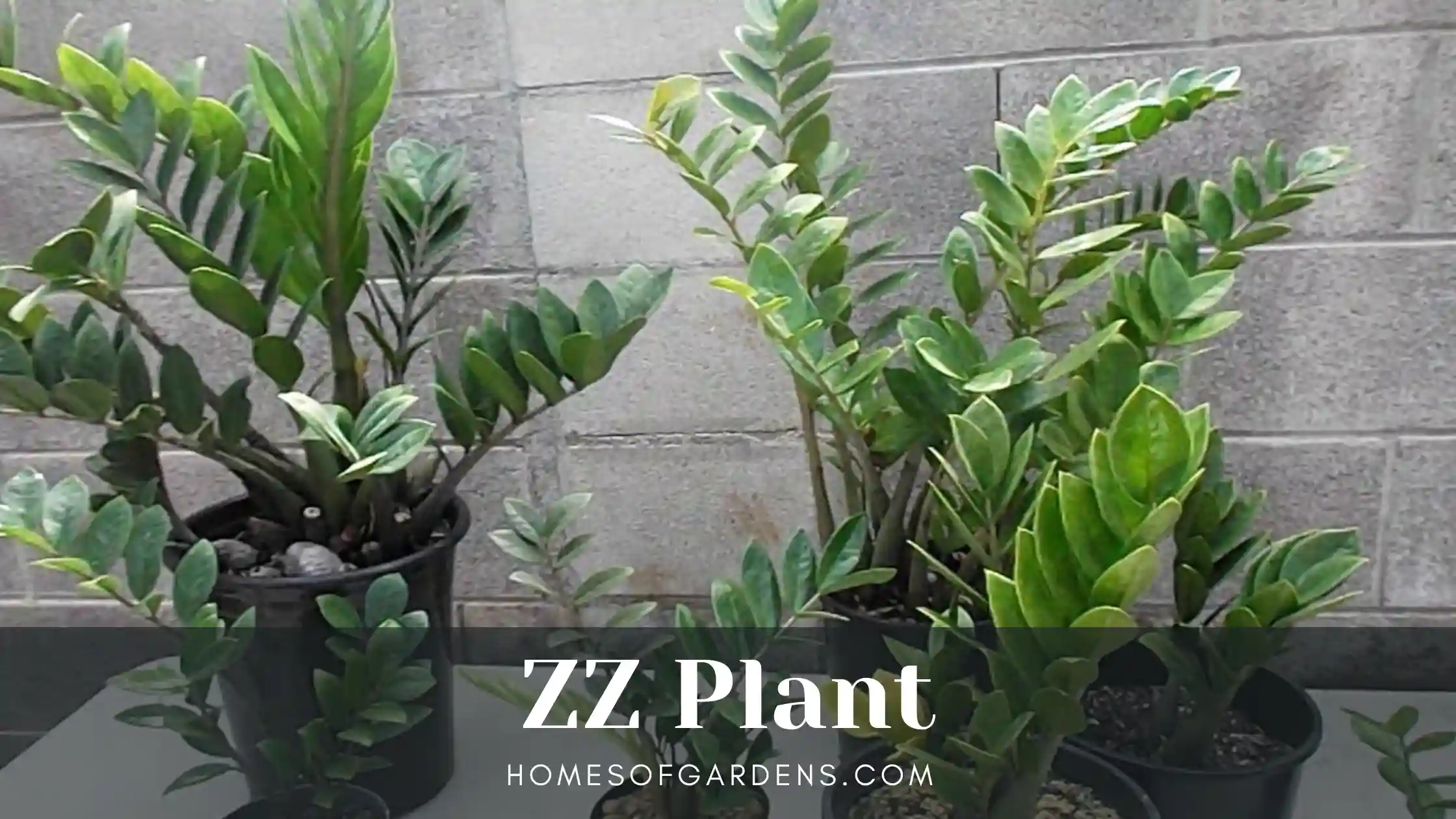
I remember the first houseplant I ever managed to keep alive. After a string of leafy casualties, a friend gifted me a small, unassuming plant with glossy, dark green leaves. “You can’t kill this one,” she promised. That plant was a Zamioculcas zamiifolia, or ZZ plant, and she was right. It not only survived my novice attempts at plant parenthood but thrived, slowly unfurling new, waxy stems. This hardy plant taught me that a green thumb isn’t always something you’re born with; sometimes, it’s about finding the right plant. The ZZ plant is more than just a survivor; it’s a statement piece, a living sculpture that brings a touch of modern elegance to any space, indoors or out.
This guide is for anyone who has ever admired a lush, green interior or a perfectly curated patio and thought, “I could never do that.” We will explore everything you need to know about the incredible ZZ plant. We’ll cover its basic needs, introduce you to its stunning varieties, and show you how to incorporate it into your garden and home design. You will learn why this plant is a favorite for both beginners and seasoned plant experts.
What makes the ZZ plant so resilient? Its secret lies beneath the soil. These plants grow from large, potato-like rhizomes that store water, allowing them to endure long periods of drought. This incredible adaptation, native to the dry grasslands and forests of Eastern Africa, makes it one of the most low-maintenance houseplants you can own.
Its structure is just as impressive. What appear to be long stems are actually individual leaves, each lined with fleshy, oval-shaped leaflets. This unique anatomy gives the ZZ plant its distinctive architectural look, adding vertical interest and a touch of the tropics wherever it’s placed.
The ZZ plant’s motto could easily be “less is more.” Over-caring is one of the few ways to harm this sturdy specimen. Following a few simple rules will ensure your plant flourishes for years to come.
ZZ plants are famously tolerant of low light conditions, making them perfect for offices, north-facing rooms, and other dim corners of your home. However, they perform best in medium to bright, indirect light. Direct, scorching sun can burn their leaves, so it’s best to keep them away from intense southern or western exposures. If you notice its growth is slow or leggy, moving it to a brighter spot will often encourage a new flush of leaves.
Here is the most critical aspect of zz plant care: do not overwater. Those water-storing rhizomes mean the plant is highly susceptible to root rot if left in soggy soil.
ZZ plants are not fussy about their environment. They are comfortable in average household temperatures between 65-85°F (18-29°C). They can tolerate lower humidity levels but will appreciate the occasional misting or placement in a more humid room like a kitchen or bathroom. Avoid placing them near cold drafts or sudden temperature fluctuations.
The ZZ plant is a versatile design element. Its bold, upright form can serve as a focal point or blend seamlessly into a larger plant collection.
Inside the home, the ZZ plant brings life and texture to any room.
In warmer climates (USDA zones 9-11), ZZ plants can be grown outdoors year-round in shaded locations. For those in cooler climates, they make excellent container plants for a shaded patio or balcony during the summer months. Simply bring them indoors before the first frost. Pair them with other shade-loving plants like ferns, calatheas, or hostas to create a lush, layered container garden.
While the classic green ZZ is a beauty, its darker relatives have captured the hearts of plant collectors. These varieties offer the same easy-care benefits with a dramatic twist.
The raven zz plant (Zamioculcas zamiifolia ‘Raven’) is a showstopper. Its new growth emerges as a bright, lime green before slowly maturing into a rich, purple-black. This striking transformation provides a continuous visual display. A mature black zz plant like the ‘Raven’ is a living piece of art, offering a dramatic contrast against light-colored walls or pots. Its care is identical to its green cousin, making it an easy way to add a touch of moody sophistication to your collection.
While the ‘Raven’ is the most famous dark variety, breeders are continuously developing new cultivars. ‘Zenzi’ is a dwarf variety with a more compact, dense growth habit, perfect for small spaces. Keep an eye out at your local nursery, as new and interesting forms of this beloved plant are always emerging.
One of the most common questions from pet owners is about plant toxicity. It is crucial to know that the zz plant is toxic to cats, dogs, and humans if ingested. The plant contains calcium oxalate crystals, which can cause irritation to the mouth, lips, and digestive tract, leading to drooling, vomiting, and discomfort.
While cases of serious poisoning are rare because the initial irritation usually deters pets from consuming large amounts, it is always best to err on the side of caution. Place your ZZ plant on a high shelf, in a hanging basket, or in a room that your pets cannot access. If you suspect your pet has ingested any part of the plant, contact your veterinarian immediately.
Even the toughest plants can encounter issues. Fortunately, most problems with ZZ plants are easy to diagnose and fix.
How fast do ZZ plants grow?
ZZ plants are slow growers, typically producing a few new leaves each growing season.
Can I propagate my ZZ plant?
Yes, they can be propagated by leaf cuttings or division, though it is a very slow process.
Why are the leaves on my Raven ZZ plant green?
New growth on a Raven ZZ always starts as bright green before maturing to its signature black color.
Do ZZ plants need fertilizer?
They have very light fertilizer needs; a balanced liquid fertilizer diluted to half-strength once or twice during the growing season is sufficient.
Is the ZZ plant an air purifier?
Yes, like many houseplants, the ZZ plant is effective at removing certain toxins from the air.
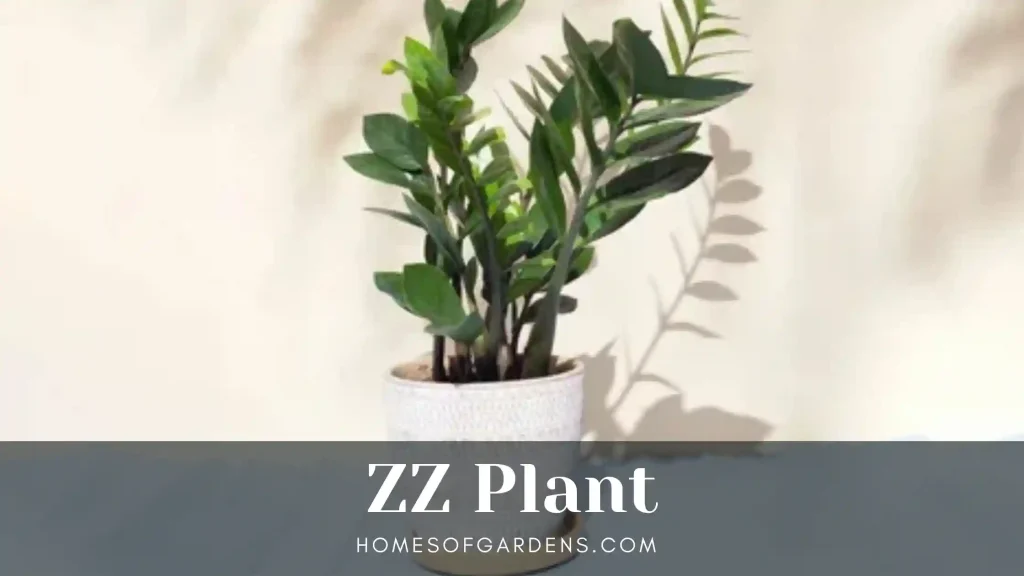
The ZZ plant has earned its reputation as one of the most reliable and stylish houseplants available. Its ability to thrive on neglect, tolerate low light, and maintain a striking appearance makes it an ideal choice for busy individuals, novice gardeners, and design enthusiasts alike. From the classic green to the dramatic black zz plant, there is a variety to suit any aesthetic. By understanding its simple needs for well-draining soil and infrequent watering, you can enjoy this architectural beauty for decades. Whether you are starting your plant journey or adding to a sprawling urban jungle, the ZZ plant is a choice you will never regret.